Save with 5% off plus free shipping on all orders with GearPass. Sign up now.
EH Rated Boots
27 Results
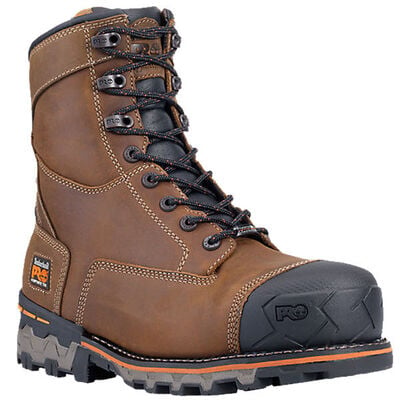
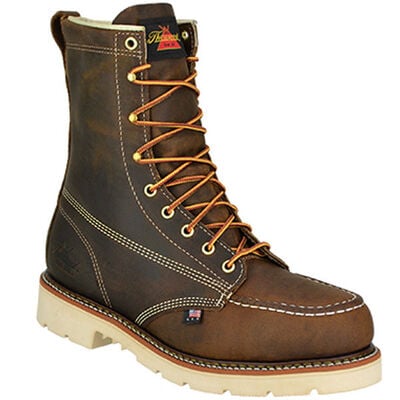
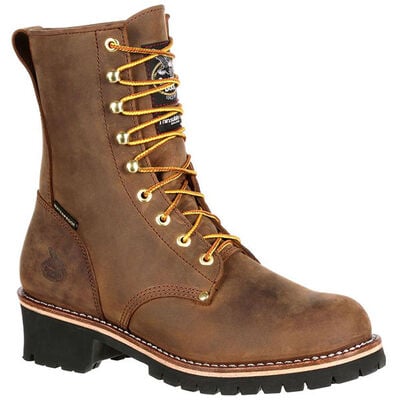
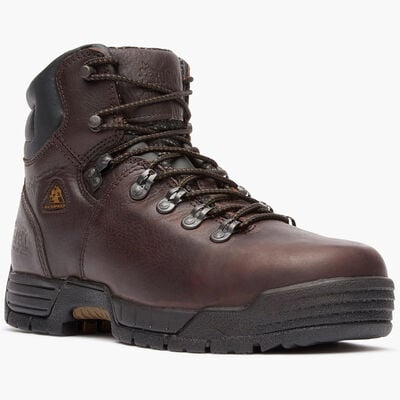
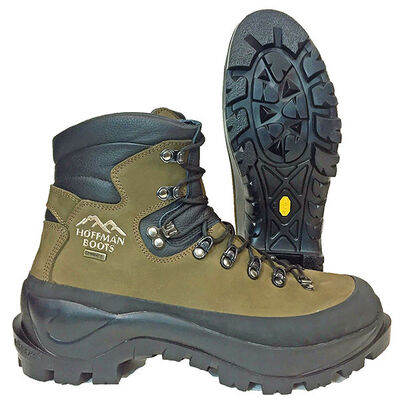
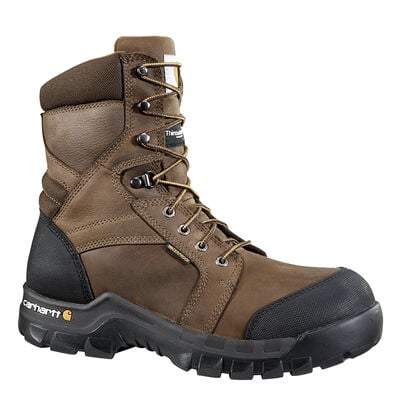
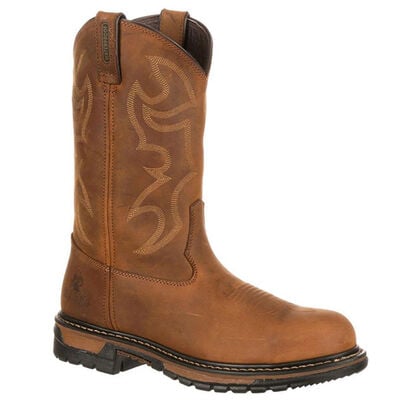
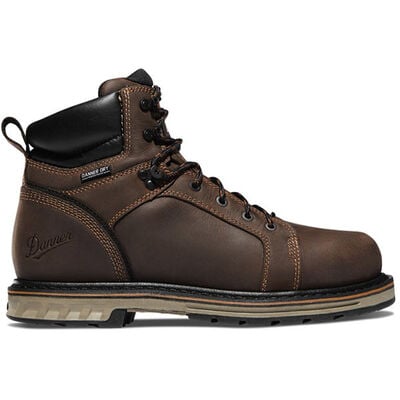
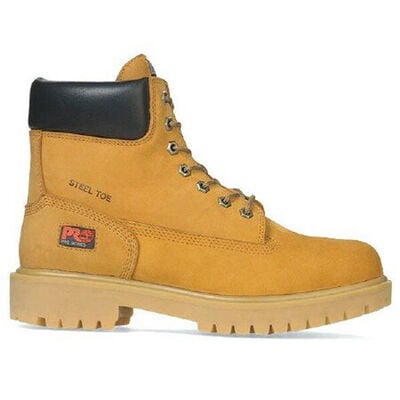
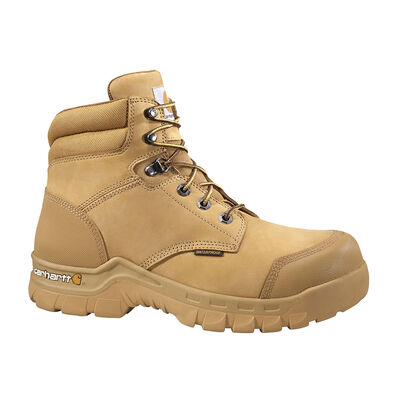
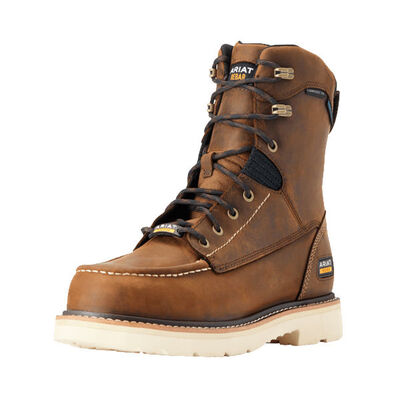
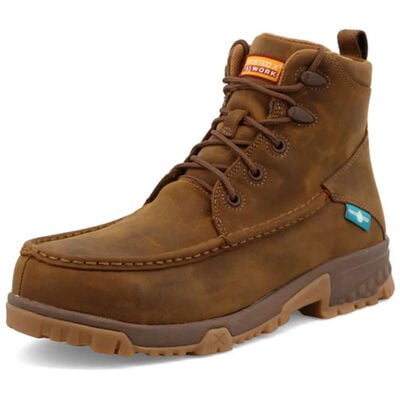
Welcome to our collection of EH rated boots from Tyndale FRC! We understand the importance of protecting yourself from electrical hazards in the workplace. That's why we offer a range of EH rated boots that provide reliable protection against electrical shock and hazards. Our collection includes a variety of styles, from work boots to hiking boots, all designed with EH (Electrical Hazard) safety ratings to ensure your safety on the job. With durable construction, advanced safety features, and comfortable designs, Tyndale FRC's EH rated boots are the perfect choice for workers in industries where electrical safety is a priority. Shop our collection today and keep your feet safe and protected in hazardous environments.
EH-Rated Boots & AR/FR Boots Frequently Asked Questions
An EH (Electrical Hazard) rating means footwear has been tested to provide secondary protection against electrical shock under dry conditions. To earn the EH designation under ASTM F2413, footwear must withstand 18,000 volts at 60 Hz for one full minute with no current flow or leakage exceeding 1 milliamp. EH is an additional protective designation under ASTM F2413 and is identified on the footwear label.
No, EH-rated boots and footwear are designed to help protect against electric shock, not arc flash. Arc flash is a separate thermal hazard that requires appropriate arc-rated (AR) clothing and other PPE. Depending on the hazards identified by a job hazard assessment, workers may need both EH-rated footwear and AR/FR clothing as part of their overall PPE.
OSHA requires employers to provide protective footwear when workplace hazards make it necessary. EH-rated footwear is not universally required for every worker. Sometimes the hazard risk assessment identifies dangers of foot injury from other hazards such as falling or rolling objects or objects piercing the soleWhether EH protection is needed depends on the electrical hazards identified in the risk assessment and any additional company or utility requirements. ASTM F2413 includes EH as an optional protective designation, so footwear can comply with ASTM F2413 without being EH rated. Electric utilities may choose to require EH-rated boots or footwear as an additional protective measure.
No, EH-rated footwear is intended for use in dry conditions. Water, excessive sole wear, punctures, thin spots, or other damage can compromise its ability to provide electrical shock protection. Employers and workers should inspect EH-rated footwear regularly and replace it if the sole or other protective components are damaged. For wet environments or step-potential hazards, dielectric footwear may be required instead
EH-rated and ESD, or electrostatic-dissipative, footwear address different hazards and are not interchangeable. EH-rated boots are designed to resist the flow of electrical current through the footwear and provide secondary protection against shock under dry conditions.. Static-dissipative footwear is designed to reduce the buildup of static electricity by allowing charge to dissipate in a controlled manner. The appropriate rating required depends on the hazards identified in the your company's hazard assessment.
ASTM F2413 establishes the performance requirements for protective safety-toe footwear, including impact (I) and compression (C) resistance, with additional protective designations such as EH applied only when the footwear meets those requirements. ASTM F2412 provides the test methods used to evaluate those protections, while ASTM F2892 covers soft-toe protective footwear for workplace hazards other than toe impact and compression. Look inside your footwear for ASTM markings that identify the protections it provides such as I/75 C/75 for impact and compression and EH (electrical hazard) to confirm exactly what protection you're getting.
Inspect EH-rated boots regularly for excessive sole wear, punctures, cracks, separation between the upper shoe and sole, or other damage that could compromise their protective function. Because EH protection can be affected by wear and damage over time, a routine visual inspection before use is more reliable than depending on a fixed replacement schedule. Replace footwear when damage or excessive wear calls its protective condition into question. Keep boots dry between uses and away from materials that may break down sole insulation over time.
Start with the protective requirements identified by your employer, then consider the physical demands of the job and the environment where the footwear will be worn. Boot height, weight, sole construction, support, protective-toe type, and other features can affect comfort and suitability for different tasks. Company-specific requirements may also establish minimum boot height or other construction features. When comparing options, confirm the required labeling and EH designation first, then choose the style and features that best support the work you perform.